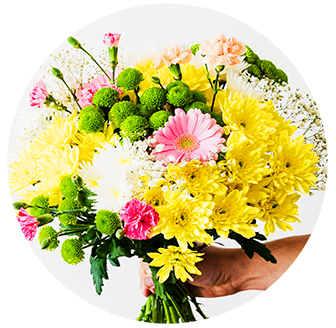
Expert Advice on Cut Flower Longevity
Posted on 14/06/2025
Expert Advice on Cut Flower Longevity
Bringing fresh flowers into your home can transform any space, adding color, fragrance, and natural beauty. But how many times have you watched, disappointed, as your beautiful bouquet started to wilt after just a few days? If you've wondered how to keep your cut flowers fresh for longer, you're not alone. This comprehensive guide gathers expert advice on cut flower longevity, with science-backed tips and florists' tricks to help you make the most out of every bouquet.
Table of Contents
- Why Do Cut Flowers Wilt?
- How to Select the Freshest Flowers
- Proper Preparation: The Key to Longevity
- Water & Nutrition Management
- Creating the Ideal Environment
- Common Mistakes to Avoid
- Special Tips for Different Flower Types
- Myths and Facts About Cut Flower Care
- Frequently Asked Questions
Why Do Cut Flowers Wilt?
Understanding what causes bouquets to wilt quickly is the foundation for prolonging cut flower longevity. Flowers begin to perish the moment they are cut from the plant, losing their source of water and nutrients. Within hours, their stems can develop blockages due to air, bacteria, or debris, impairing water uptake.
Main factors influencing cut flower lifespan:
- Water Loss: By far the {major} cause. Without roots, flowers rely on uptake through their stems.
- Bacterial Growth: Bacteria in vase water quickly colonize cut stem ends, blocking water absorption.
- Ethylene Gas: Produced naturally by aging flowers and fruits, this gas accelerates wilting.
- Incorrect Storage Conditions: Heat, sunlight, and drafts all contribute to faster decay.
- Improper Nutrition: Without added nutrients, flowers use up their food stores and decline rapidly.
If you tackle these issues systematically, you significantly enhance your cut flower vase life.
How to Select the Freshest Flowers
The first step to ensuring extended flower life starts before the bouquet even reaches your home. Whether picking from your own garden or buying from a florist, choosing the freshest stems is crucial.
- Buy Early: Purchase flowers early in the day when they're freshest and have been recently hydrated.
- Inspect the Petals: Avoid flowers with bruised, wilted, or turning petals. Healthy flowers have vibrant color and firm structure.
- Feel the Stems: Thick, green, and sturdy stems last longer than thin or squishy stems.
- Check the Buds: For many varieties, select flowers with tight, unopened buds. They will open and last longer at home.
- Look at the Leaves: Yellowed or dropping foliage below the water line indicates dehydration or age.
Following these simple guidelines can maximize flower vase life right from the start.
Proper Preparation: The Key to Longevity
Once the flowers are obtained, preparation is the most important step in extending cut flower freshness. Follow proper techniques to set the stage for longer-lasting blooms.
Step-by-Step Preparation for Flowers
- Sanitize the Vase: Start with a clean vase to prevent bacterial contamination. Wash thoroughly with hot, soapy water and rinse well.
- Trim the Stems: Use sharp, clean scissors or a knife. Cut 1-2 inches off the bottom at a 45-degree angle. This increases surface area for water absorption.
- Remove Lower Leaves: Any leaves submerged in water should be stripped off to prevent rot and bacteria.
- Use Clean, Lukewarm Water: Flowers take up water best at room temperature. Always fill the vase with fresh water before arranging.
- Add Flower Food: Use commercial flower preservatives to nourish flowers and control bacterial growth.
Re-trim Stems Regularly
Every few days, recut the stems and change the water. This removes blockages and delays wilting.
Water & Nutrition Management
For extended cut flower vase life, water quality, temperature, and nutrition are essential. Here's what the experts do:
Water Quality Matters
- Fresh Water Daily: Bacteria grow rapidly. Change the water at least every day or two.
- Use Filtered Water: If your tap water is chemically treated, use filtered or distilled water for sensitive flowers.
- Add Preservatives: Commercial flower food contains sugars, acidifiers, and antibacterial agents. Homemade options (like sugar and vinegar or lemon-lime soda) work in a pinch, but aren't as efficient as professional formulas.
The Role of Flower Food
Flower preservatives provide a balanced mix of sugar (energy), acid (to lower pH), and biocide (to kill bacteria). This combination greatly improves vase life and is strongly recommended for maximizing flower longevity.
Creating the Ideal Environment
Where you place your vase has a significant impact on how long your flowers last. Environmental control is a subtle but powerful strategy for prolonging cut flower freshness.
- Avoid Direct Sunlight: Sun heats up water and accelerates wilting.
- Keep Away from Appliances: TVs, radiators, and electronics give off heat that speeds up dehydration.
- Stay Away from Ripening Fruit: Fruits like bananas and apples emit ethylene gas, which causes flowers to age prematurely.
- Use Cool Temperatures: Most cut flowers prefer cool to moderate temperatures (18-21?C/65-70?F).
- Draft-Free Locations: Breezes from open windows or air conditioning dry out petals and stems faster.
A simple relocation of your vase can add days to your bouquet's life.
Common Mistakes to Avoid
Even with the best intentions, many people unintentionally reduce their bouquet's lifespan. Here are some common errors to avoid for optimal cut flower care:
- Leaving Leaves in the Water: This is the top source of bacteria in vases.
- Neglecting to Change the Water: Dirty water is a breeding ground for microorganisms.
- Failing to Trim Stems Regularly: Stems close up, blocking water and shortening flower life.
- Using Dull Cutting Tools: These crush stems, which reduces water uptake.
- Overloading the Vase: Crowded flowers restrict air circulation and water absorption.
- Ignoring Flower Food: Flowers need the right nutrients as well as water.
Special Tips for Different Flower Types
Some flowers need extra care to enjoy the longest life in a vase. Here are a few professional tips tailored to popular blooms:
Roses
- Recut stems underwater to prevent air bubbles ("stem embolism").
- Remove thorns and extra leaves for cleaner water.
- Use tall, narrow vases for best support.
Tulips
- Keep cool and away from fruit (tulips are ethylene sensitive).
- Minimal flower food--too strong a solution can stunt opening.
- Support drooping stems with a tall vase.
Lilies
- Remove pollen anthers (stamens) to prevent stains and prolong bloom.
- Check water level daily--lilies are thirsty flowers.
Sunflowers
- Change water daily--sunflowers produce lots of bacteria.
- Cut stems under running water for best hydration.
Carnations, Chrysanthemums, & Alstroemeria
- These are naturally long-lasting! Just change water and recut stems every 2 days.
Myths and Facts About Cut Flower Care
The internet is full of tips for keeping flowers fresh longer, but not all are supported by science or florists' expertise. Here's the truth behind some popular claims:
- Myth: Crush an Aspirin in the water.
Fact: There's little evidence aspirin helps. Commercial preservatives work much better. - Myth: Bleach keeps water clear.
Fact: A minute amount helps inhibit bacteria but too much is damaging. Follow dosage carefully if you use it, or stick to flower food. - Myth: Pennies prevent wilting.
Fact: Most modern coins do not contain enough copper to inhibit bacteria. Pennies offer little benefit. - Myth: Sugar alone is enough for nourishment.
Fact: Sugar without antibacterial agents can actually encourage more bacteria. True florists' food is a better choice.
Frequently Asked Questions About Cut Flower Longevity
-
Q: What is the best water for cut flowers?
A: Room temperature, filtered or distilled water is ideal, especially for sensitive blooms. -
Q: How long should cut flowers last in a vase?
A: Most last 5-10 days, but some (like carnations) can last 2-3 weeks with proper care. -
Q: How often should I change the water?
A: Every 1-2 days to keep bacteria at bay and maximize longevity. -
Q: Is it necessary to use flower food?
A: While not strictly required, it greatly extends flower life by providing essential nutrients and inhibiting bacteria. -
Q: Should I refrigerate flowers overnight?
A: Cool temperatures slow down decay. If you have space, refrigerating flowers at night (above freezing) can add days to their lifespan.
Conclusion: Prolonging Cut Flower Life Made Easy
With expert advice for maximizing cut flower longevity, anyone can enjoy vibrant bouquets for much longer. The key steps are simple: start with the freshest stems, prepare and trim carefully, use clean water (and change it often), nourish with proper flower food, and keep arrangements in optimal conditions. Avoiding common mistakes and tailoring care to specific flower types can add days or even weeks of enjoyment.
By following these professional flower care tips, you'll transform every arrangement into a lasting statement of natural beauty in your home or workspace. Happy flower arranging!